Guttrz / Blog / Gutter guard problems
Gutter guard problems: 9 honest downsides and how to avoid them
Guards solve a lot, but not everything. Here is what goes wrong, why, and what you can do about it.
The most common gutter guard problems are water overshooting in heavy rain, pollen film on fine mesh, snow and ice sitting on top, cheap screens that sag or pop out, and installs that screw through or lift shingles, which can affect a roof warranty. Most are caused by the wrong guard type or a poor install, not guards in general. A rigid stainless micro-mesh guard fastened to the gutter lip and set at the right angle avoids most of them, but still needs a brush and rinse about once or twice a year under heavy trees.
Gutter guard problems are real, and anyone who sells guards and tells you otherwise is not being straight with you. Guttrz installs stainless steel micro-mesh guards, and even the good ones have limits. Below is every common downside we know of, why it happens, how to avoid it before you buy, and how to fix it if your guards are already failing.
What are the most common gutter guard problems?
The most common gutter guard problems are water overshooting the guard in heavy rain, pollen and fine grit coating the mesh, shingle granules settling in the gutter, installs that can affect a roof warranty, snow and ice sitting on top, cheap screens sagging, guards hiding sagging gutters, high cost, and pests nesting under loose guards.
1. Water overflows the guard in heavy rain
Why it happens: Water clings to a surface as it flows. On most guards that surface tension pulls water through the openings. But in a hard summer downpour off a steep roof, water can move fast enough to skip over the front edge. A guard set at the wrong angle makes it worse: too steep and it acts like a ramp, too flat and leaves sit on it and block the mesh. Solid reverse-curve covers can shoot water past the gutter in heavy rain for the same reason.
How to avoid it: Ask how the guard is angled for your roof pitch. Pay extra attention above walkways, valleys, and inside corners, where the most water lands.
How to fix it: Clean the top of the guard first, since a film makes overshoot worse. If it still overflows, have the angle reset. At valleys, a small diverter can slow the water. If gutters overflowed before guards went on, the gutter or downspout may be too small, which our guide to why gutters overflow covers.
2. Pollen and fine debris form a film on the mesh
Why it happens: Micro-mesh stops small stuff, which is the point. In Northeast Ohio, spring tree pollen, maple flowers, and dust land on it and dry into a thin film. Add oak tassels and a little moss and water starts to bead up and roll off instead of dropping through. Gutter guards clogged with pollen are the most common complaint about micro-mesh.
How to avoid it: Choose mesh installed at a slight downward pitch so wind and rain help clear it. Expect to brush it now and then, especially under trees.
How to fix it: Brush and rinse the mesh. The steps are further down this page.
3. Shingle granules still build up in the gutter
Why it happens: Asphalt shingles shed grit, most in the first few years and again as they age. Most granules roll off the mesh, but some settle on it, and very fine grit can get under the edges or in through gaps and collect at the low end of the gutter.
How to avoid it: Have the gutters fully cleaned and downspouts flushed before guards go on. If your roof is near the end of its life, consider waiting to add guards until after the new roof.
How to fix it: Check the gutter near the downspouts every few years. If sludge has built up, the guard sections there need to come off for a cleanout. Ask your installer how that works before you buy.
4. Guards installed under shingles can affect your roof warranty
Why it happens: Some guards slide under the first row of shingles, and some are screwed right through them. That can crack or lift the shingles and break the seal. GAF, one of the largest shingle makers, says in its technical bulletin on gutter covers and shingles that its shingle warranty covers manufacturing defects in the shingles, not the gutter cover or damage from installing it. It advises avoiding covers that need fasteners through the shingles, removing and replacing shingles, removing the drip edge, or going under the underlayment. Other shingle brands set their own terms, but the theme is the same: do not puncture, lift, or damage the shingles.
How to avoid it: Ask exactly where every fastener goes. Guttrz guards fasten to the gutter lip and roof edge and are never screwed through shingles. If you have a newer roof with an upgraded warranty, read your warranty or ask your roofer before any guard goes on.
How to fix it: If guards were screwed through your shingles, have a roofer look at the damage before you remove anything, and call your shingle maker to ask how it affects coverage.
5. Snow and ice sit on top of the guards
Why it happens: A guard covers the gutter, so snow piles on top instead of falling in. During a thaw, melt water can freeze on the mesh and run over the front as icicles. Guards do not cause ice dams. Ice dams come from attic heat melting snow higher on the roof. But no guard stops them, and a guard that lifts the shingle edge can let backed-up water in.
How to avoid it: Pick a strong metal guard that will not crush under snow, and fix attic insulation and air leaks if you get ice dams now.
How to fix it: Do not chip ice off mesh with a hammer or shovel. Let it melt, then check for bent sections. Our guide to gutter guards and ice dams in Ohio goes deeper.
6. Cheap DIY screens sag, warp, or pop out
Why it happens: Plastic and thin aluminum screens that just snap into the gutter have nothing solid holding them. Sun makes plastic brittle, snow bends them, and wind lifts them out. Foam inserts hold wet debris and break down. Brush inserts trap seeds and needles in the bristles.
How to avoid it: If you go DIY, buy a rigid metal guard that screws to the gutter lip, not a loose insert. Our look at the best gutter guards for pine needles and maple seeds compares the types.
How to fix it: Pull out failed inserts, clean the gutter, and either reinstall properly fastened guards or go back to regular cleaning.
7. Guards can hide gutter problems
Why it happens: Once a guard is on, you stop looking in the gutter. A sag, a bad slope, a leaky corner, or soft fascia keeps getting worse out of sight. A guard on a sagging gutter also tilts, which leads straight back to problem number 1.
How to avoid it: Fix the gutter first. Any installer should check hangers, pitch, and fascia before quoting. Read our guide to gutters pulling away from the house to spot trouble yourself.
How to fix it: Once a year, look along the gutter line from the ground and watch it in a hard rain. Drips behind the gutter, a wavy front edge, or stained fascia mean something needs attention.
8. Gutter guards cost more than a few years of cleaning
Why it happens: Good guards are metal, custom fit, and take labor to install. Here is honest math on how it pays back. Guttrz prices guards per linear foot, one rate for a single story and a higher rate for two-story or steep roofs, corners included, so a 150-foot single-story home with 4 corners is quoted on the 150 feet alone. For the other side of the ledger, gutter cleaning in Northeast Ohio commonly runs about $100 to $250 for a single-story and $150 to $350 for a two-story, a market range, not a Guttrz price. Divide your written guard price by what you spend on cleaning in a year and you have the payback in years: twice-a-year cleaning under heavy trees pays back far sooner than one light cleaning a year, and a house with no trees over the roof may never pay back on dollars alone. National brands are commonly quoted at $25 to $40 per foot, according to quotes homeowners report, which stretches that timeline further.
How to avoid it: If you have no trees near the roof and a single story you can safely clean, you may not need guards at all. Our post on whether gutter guards are worth it walks through who benefits.
How to fix it: Get a written price per foot and compare it to your real cleaning costs, not a sales pitch. Our Guttrz vs LeafFilter comparison shows how the numbers differ.
9. Wasps, birds, and pests under poorly fitted guards
Why it happens: Gaps at end caps, corners, and loose sections give wasps, birds, and even squirrels a dry, sheltered spot. Hood-style covers with a wide slot can let small birds and wasps inside. A nest in the gutter blocks water like any other clog.
How to avoid it: Ask how corners and gutter ends are closed. Mitered corners and snug end pieces leave nothing to crawl into.
How to fix it: For wasps, call a pest pro or treat on a cool evening when they are inactive. For birds, wait until the nest is empty, then remove it and close the gap.
Which gutter guard types have which problems?
| Guard type | Main disadvantages | Best fit |
|---|---|---|
| Foam insert | Holds wet debris, grows moss, breaks down in sun | Short-term fix only |
| Brush insert | Traps seeds and needles, must be pulled to clean | Large leaves only |
| Plastic snap-in screen | Warps, sags, pops out in wind and snow | Low-cost DIY on a small home |
| Perforated aluminum | Pine needles and seeds stick in the holes | Light leaf cover |
| Reverse curve hood | Can overshoot in heavy rain, bird and wasp access | Big leaves, moderate rain |
| Stainless micro-mesh | Pollen film needs brushing, higher upfront cost | Mixed trees, needles, seeds, grit |
How to clean gutter guards
Most metal guards only need attention once or twice a year. In Northeast Ohio, good times are late spring after pollen and maple seeds, and late fall after the oaks and maples finish dropping.
- Pick a dry day. Wet debris smears into the mesh.
- From the ground, look for leaves resting on the guard, a dull film on the mesh, or drips along the front edge.
- On a single story, a soft car-wash brush on an extension pole often reaches from the ground. Otherwise, use a ladder with a standoff so the ladder never rests on the guard.
- Brush or blow loose leaves off the top, working toward the downspout end.
- Scrub the mesh gently with a soft brush. Never use a wire brush.
- Rinse with a garden hose on a shower setting. Do not use a pressure washer, which can bend mesh.
- Run water at the high end and check that it comes out the bottom of the downspout.
- If water still sits in the gutter, check whether your warranty lets you lift a section, or call the installer before removing anything.
What should you ask any gutter guard installer?
- Where does every fastener go? Does anything go through or under the shingles?
- Will you check my hangers, pitch, and fascia first, and what happens if they fail?
- What is the mesh made of, and what is the frame made of?
- How will you set the angle for my roof pitch?
- Is cleaning, downspout flushing, and corner sealing included?
- How are corners and gutter ends closed off?
- What does the warranty cover: material, workmanship, or clogs? Who honors it?
- What is the price per foot, in writing, and how long is it good?
- Can you show proof of liability insurance before the job starts?
- How will you clean up and haul away debris, old fasteners, and scraps after the install?
- If I sign at my home, how do I cancel? In Ohio, home solicitation sales generally give you until midnight of the third business day after signing to cancel in writing, under Ohio Revised Code 1345.22.
How Guttrz handles these limits
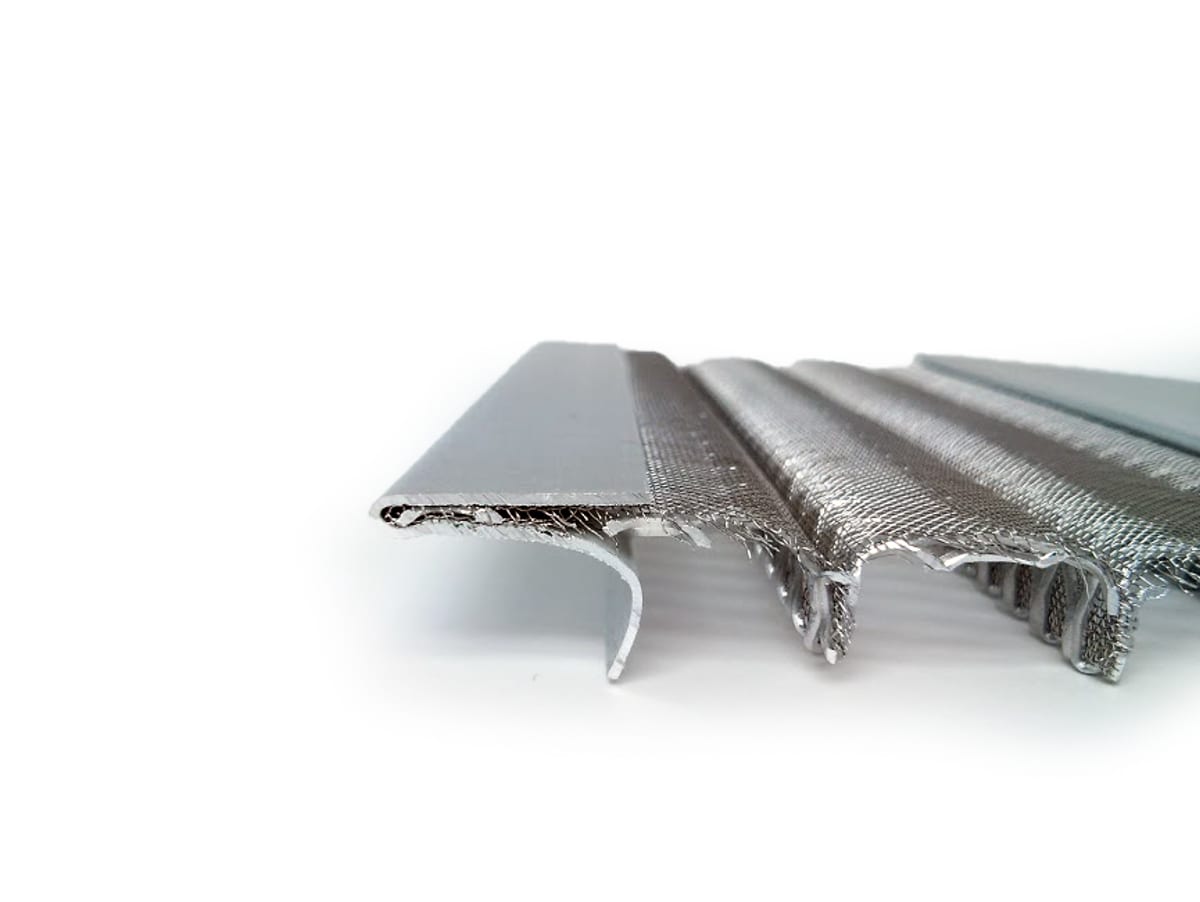
We install stainless steel micro-mesh on an aluminum frame, on your existing 5-inch or 6-inch gutters, fastened to the gutter lip and roof edge and never screwed through shingles. At the 20-minute on-site confirm we check fascia, hangers, and pitch before giving one firm price. Cleaning, a downspout flush, and a corner reseal are included with every install. Small fixes during the install, like a missing downspout section, a loose hanger, or a leaking seam, are included at no charge. The Leaf Solution material carries Leaf Solution's Lifetime No-Clog Warranty, and our workmanship carries 10 years. The mesh still needs an occasional brush under heavy pollen, and we will tell you that up front. See our gutter guard pricing for the full rate table.
If you want a straight answer on whether guards make sense for your house, use the form on this page or text (330) 818-5584 with your address. You will get a price range by text within an hour, and if guards are not worth it for your home, we will say so.
Common questions
Do gutter guards cause roof leaks?
A well-installed guard should not. Leaks can happen when a guard is screwed through shingles, lifts the shingle edge, or is set on a gutter that already sags so water runs behind it. Ask where fasteners go and have the gutter pitch checked before install.
Do gutter guards cause ice dams?
No. Ice dams form when attic heat melts snow higher on the roof and the water refreezes at the cold edge. Guards do not create that heat. They also cannot stop an ice dam, so attic insulation and air sealing are the real fix.
Why are my gutters overflowing with gutter guards on?
The usual reasons are a film of pollen or grit on the mesh, a guard set too steep or too flat, a clogged downspout, or a sagging gutter that tilts the guard. Clean the mesh and flush the downspout first. If it still overflows in normal rain, the install angle or the gutter itself needs work.
Can you walk on gutter guards or lean a ladder on them?
No. Even strong metal guards are not built to hold a person or a ladder. Leaning a ladder on them can bend the frame or crush the gutter. Use a ladder standoff that rests on the roof or wall instead.
Do gutter guards need to be removed to clean the gutters?
Usually not for routine cleaning, since most debris sits on top and brushes off. Every few years, fine grit can collect in the gutter near downspouts, and some guard sections may need to come off for a cleanout. Ask your installer how removal works and whether it affects the warranty.
How long do gutter guards last?
It depends on the material. Foam and plastic inserts can break down within a few years in sun and snow. Rigid aluminum and stainless steel guards last far longer, and stainless micro-mesh often carries a long manufacturer material warranty. Check what the warranty covers, not just its length.
Are gutter guards a scam?
No, the product works when it is the right type and installed well. What frustrates homeowners is usually the sales process: high in-home quotes, pressure to sign the same day, and vague warranties. Get a written price per foot and compare more than one quote.
Can gutter guards withstand hail?
Large hail can dent aluminum gutters and bend guard frames. Fine stainless steel mesh on a rigid frame generally holds up better than thin plastic, which can crack or split. After a hailstorm, walk around the house and look from the ground for dents, bowed sections, or lifted edges, then watch for overflow in the next rain. Hail damage to gutters is often part of a homeowners insurance claim along with the roof, but coverage varies, so check your policy and take photos before anything is repaired.
Are there self-cleaning gutter guards?
No. Some brands market their guards as self-cleaning, but every guard needs occasional attention. A well-pitched micro-mesh guard lets dry leaves and needles blow off, yet pollen, seed fluff, and fine grit can still build a film that needs a soft brush or a hose rinse. Under heavy tree cover in Northeast Ohio, plan to check them once or twice a year, after the spring pollen and the fall leaf drop.
Keep reading
Written by Christian Schaffner, owner of Guttrz. Updated October 8, 2026.
Where we install
Get your quote
Six quick steps. We send you a price range within the hour.